Almost every beginner who writes to us on WhatsApp asks some version of the same three questions. Am I going to be able to stand up? Am I too old, too unfit or too nervous for this? And what do I actually need to bring? The honest answers are: very probably yes, almost certainly not, and nothing more than a swimsuit and sunscreen.
Puerto Vallarta is one of the friendliest places in Mexico to learn. The water is warm all year, the beginner beaches in Riviera Nayarit have small, rolling waves over sand, and the winter swells are gentle enough that a first-timer can spend two hours in the water without ever feeling out of their depth. This guide walks you through a first lesson exactly the way we run it, so you can show up relaxed and spend your energy on the fun part.
Before the lesson: booking and choosing the right option
Booking is done on WhatsApp. You tell us your dates, how many people are coming, everyone's age and experience (for most of you: zero), and where you are staying. We reply with the best day and time for the conditions — the morning is almost always better, because the wind is light and the surface of the ocean is smooth — and we lock in your lesson.
Which lesson should a first-timer book?
There is no wrong choice, but each format suits a different kind of beginner. All the prices below are the current ones on our surf lessons page:
- Join Group Lesson — $90 USD per person. You share the session with other beginners. It is the most social option and the best value. Like every group lesson, it runs with a minimum of 2 persons; if you are travelling solo, we pair you with another booking.
- Private Customized Group — $100 USD per person. Just your family, partner or friends, minimum 2 persons, ages 6 and up. The coach plans the session around your group.
- Personalized 1-on-1 — $110 USD. You and a coach, nobody else. The fastest progression, and the right choice for anyone who feels nervous in the water.
- Premium 5-hour surf day at La Lancha ($1,780 MXN per person) or Sayulita ($1,980 MXN per person), with transport from Puerto Vallarta, minimum 2 persons. A whole day of surfing for people who already know they are going to love it.
Non-surfing partners and kids who just want to watch can come along as observers for $20 USD — they ride with us, hang out on the beach and take the photos you will want afterwards.
Where will my first lesson be?
For most beginners, the answer is Nuevo Vallarta, our home break. It is about 15 minutes from Puerto Vallarta, the bottom is sand, the waves are mellow and there is plenty of space. When the swell is right we also teach first-timers on the inside section of La Lancha in Punta Mita and in the learning area in Sayulita. We pick the beach on the morning of the lesson, after checking swell, wind and tide — which is why we never publish exact meeting points for the breaks: the right spot changes from day to day, and part of what you pay for is a coach who already knows where the gentle waves are.
Step 1 — Pick-up and the drive (15 to 60 minutes)
We meet you at your hotel or Airbnb, or at an agreed point nearby. On the way, your coach will ask you a few questions: have you ever been on a board of any kind (skateboard, snowboard, wakeboard)? Can you swim comfortably? Any injuries we should know about? This is not small talk — it tells us which board to give you and how to pace the session.
If you are nervous, this is the moment to say so. Fear of the ocean is completely normal and very easy to work with when the coach knows about it.
Step 2 — Gear up on the beach (10 minutes)
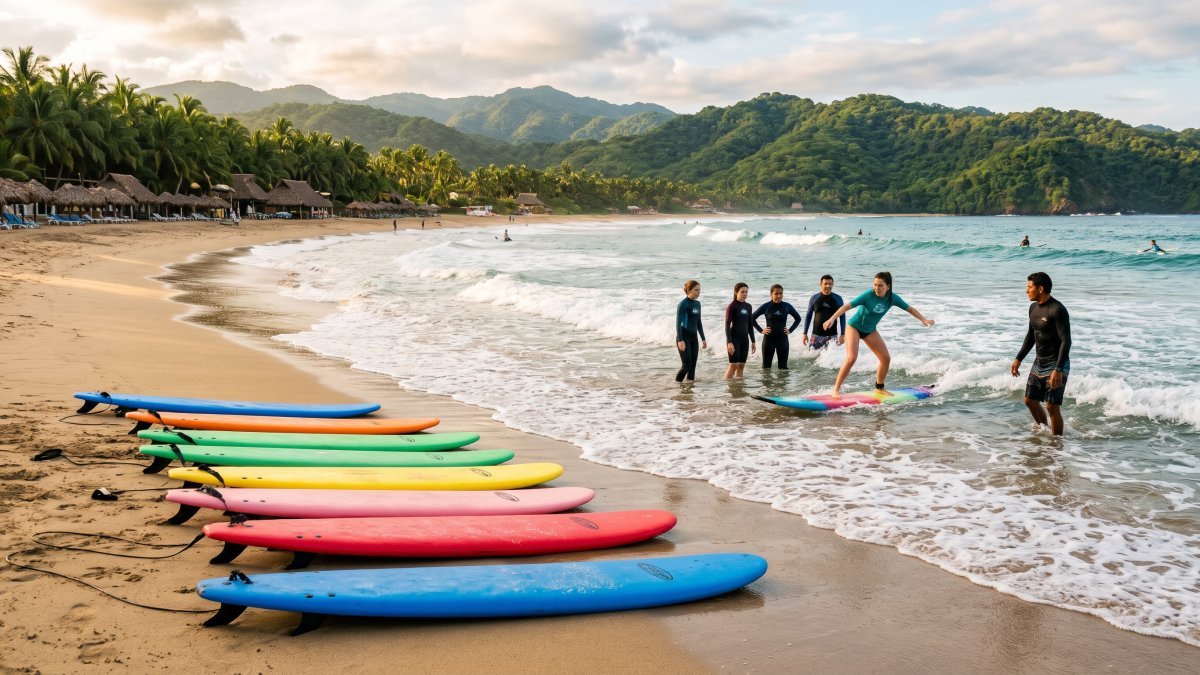
Everything you need is included: a soft-top surfboard, a rash guard, a leash and wax. Beginners always start on a big soft board — usually somewhere between eight and nine feet long. It looks huge, and that is the point: more foam means more stability and more speed in small waves, which means standing up sooner. The soft deck also means it does not hurt if it bumps you.
The coach shows you how to carry the board (under your arm, nose forward, never between you and a wave), how to attach the leash to your back ankle and which way the fins go. Then the rash guard goes on and the sunscreen goes on again.
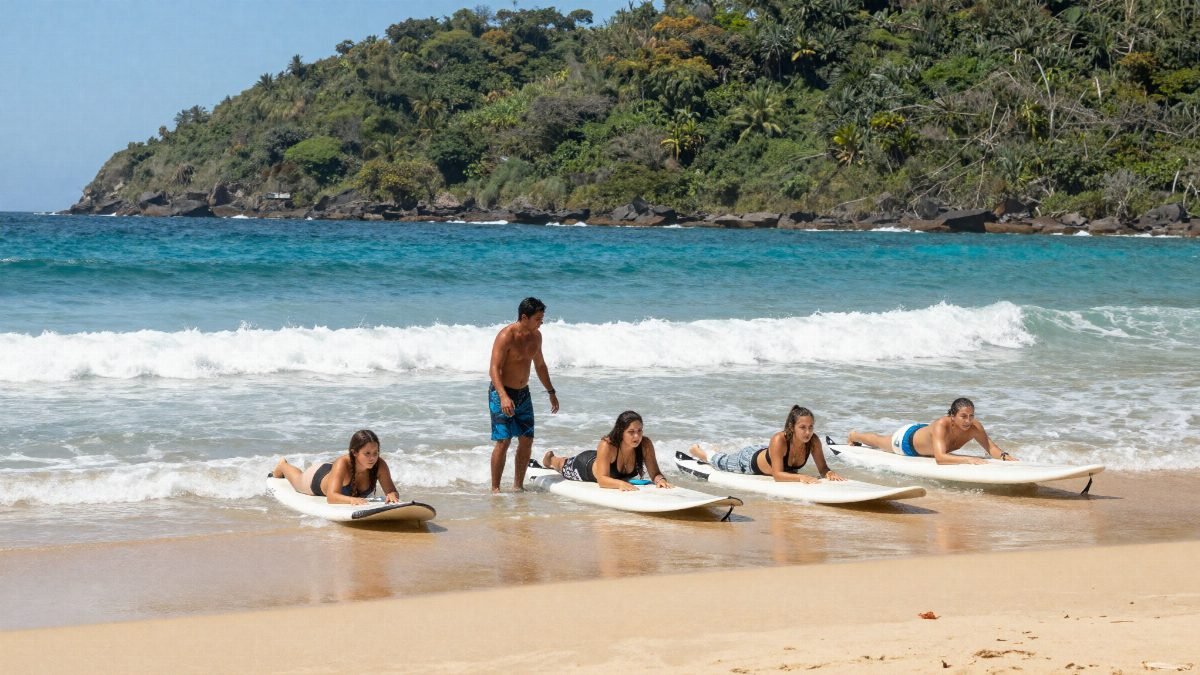
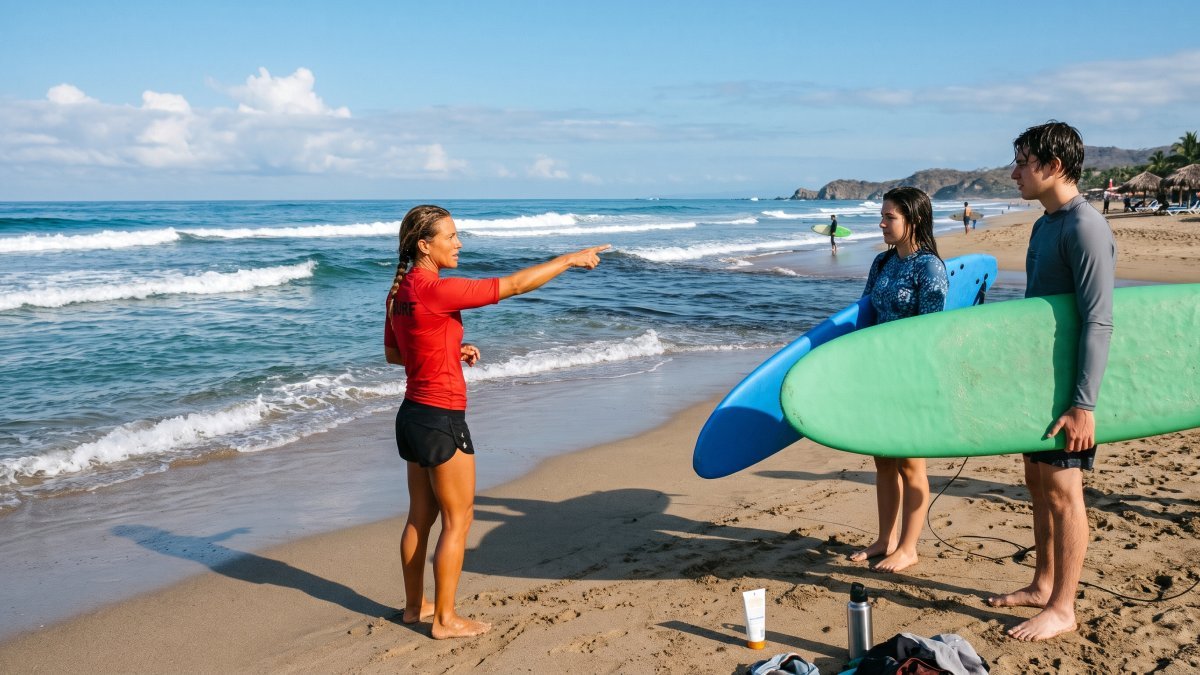
Step 3 — The beach briefing: ocean, safety and etiquette (10 minutes)
Before you touch the water, your coach spends a few minutes reading the ocean with you. You will learn to spot where the waves are breaking, where the whitewater rolls in, and where the water is moving back out to sea. You will hear the two or three safety rules that matter most for beginners: keep the board to your side, never between you and the incoming wave; cover your head with your arms when you fall; and in sandy-bottom beaches, shuffle your feet when you walk so any stingray resting on the sand swims away. (We wrote a full surf safety guide for Puerto Vallarta if you want the long version.)
You will also get the short version of surf etiquette: the surfer closest to the breaking part of the wave has priority, you do not paddle into someone else's wave, and you say sorry when you get it wrong. Nobody expects a beginner to know the rules; everybody appreciates a beginner who tries.
Step 4 — Pop-ups on the sand (15 minutes)
This is the part that feels a bit silly and makes the biggest difference. The coach draws a board in the sand, or puts one down on the beach, and you practise the movement of standing up — the "pop-up" — ten, twenty, thirty times:
- Lie down with your chest centred on the board and your toes at the tail.
- Paddle with long, relaxed strokes, chin up, looking forward.
- Push up with your hands under your chest, like the top of a push-up.
- Bring your back foot up and across, then your front foot between your hands.
- Stand low: knees bent, arms out, eyes on the beach — never on your feet.
The coach also works out whether you are "regular" (left foot forward) or "goofy" (right foot forward). If you do not know, a gentle push from behind usually reveals it: whichever foot you step forward with to catch yourself is your front foot.
Step 5 — Into the water: your first waves (60 to 90 minutes)
Now the fun. You walk out to roughly waist-deep water — not to the big waves further out, but to the zone where the waves have already broken and are rolling towards the beach as whitewater. This is where every surfer in the world learned.
Your coach stands beside you, turns your board to face the beach, watches the incoming waves and tells you when to lie down and start paddling. At the right moment they give the board a push. The wave picks you up, you feel the speed, and you pop up exactly like on the sand. The first attempts usually end with a splash. Around the fourth, fifth or sixth try, most people find themselves standing, wobbling, riding a little wall of whitewater all the way towards the sand — and the face they make in that moment is the reason we do this job.
How long until I stand up?
In small whitewater on a big soft board, the large majority of our beginners stand up at least once in their first session, and many stand on their first few waves. Kids who are light and fearless often get there first; adults who were nervous get there a little later and are usually the happiest. What decides it is not athleticism but listening: front foot between the hands, eyes up, knees bent.
What the coach is doing while you surf
We keep a maximum of three students per instructor, so you get feedback on almost every wave. The coach positions you in the right spot, chooses the waves for you, pushes you in and gives one correction at a time — "look up", "front foot further forward", "bend your knees". As you improve, they stop pushing and start teaching you to paddle into waves yourself, which is the next big step.
Step 6 — The second half: turning, paddling and choosing waves
Once you are standing comfortably, the second hour is about control. Your coach shows you how to shift your weight to go left or right, how to step back to slow down and how to step off safely before you reach the shallows. Some beginners even start catching small unbroken waves by the end of their first session — usually on the 1-on-1 or private format, where the coach can focus entirely on them.
You will be tired. Paddling uses muscles that most of us never use, and your shoulders will remind you of that the next morning. Drink water between sets, take a break on the sand whenever you want, and do not feel you have to surf until you drop. A happy, tired first session is better than an exhausted one.
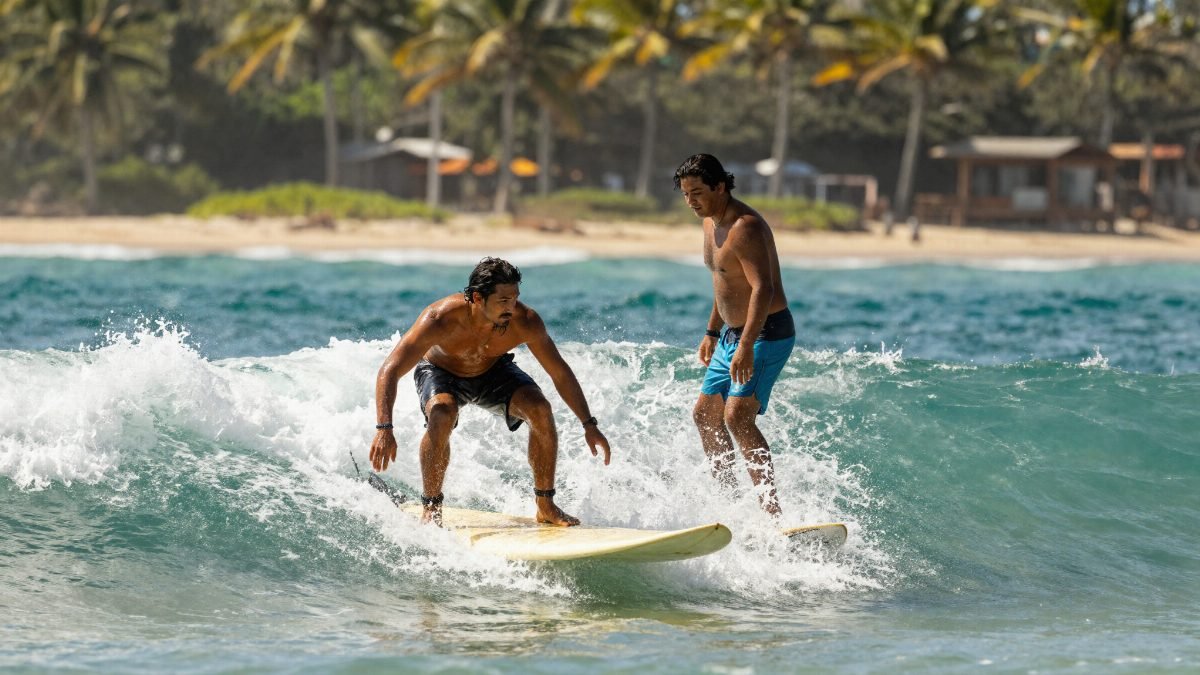
Step 7 — Wrap-up, photos and the ride home
At the end of the lesson your coach goes over what you did well and the one or two things to focus on next time. If an observer came along, you will have photos and videos of your first rides. On longer surf days there is time for a seafood stop on the way back — fish tacos after surfing taste better, it is a scientific fact. Then we drop you back where we picked you up.
What to bring (and what to leave at the hotel)
- Swimsuit — something that stays on in the waves. Board shorts or a sporty one-piece are ideal.
- Sunscreen — reef-safe if you can, applied 20 minutes before and again during the break. The Mexican sun is strong even on cloudy days.
- Towel and a dry T-shirt for the ride back.
- Sunglasses and a hat for the beach time.
- Leave at home: jewellery, watches you love and anything that cannot get wet or sandy. You will not need cash on the beach.
The board, rash guard, leash, wax and drinking water are on us.
Who can take a first surf lesson?
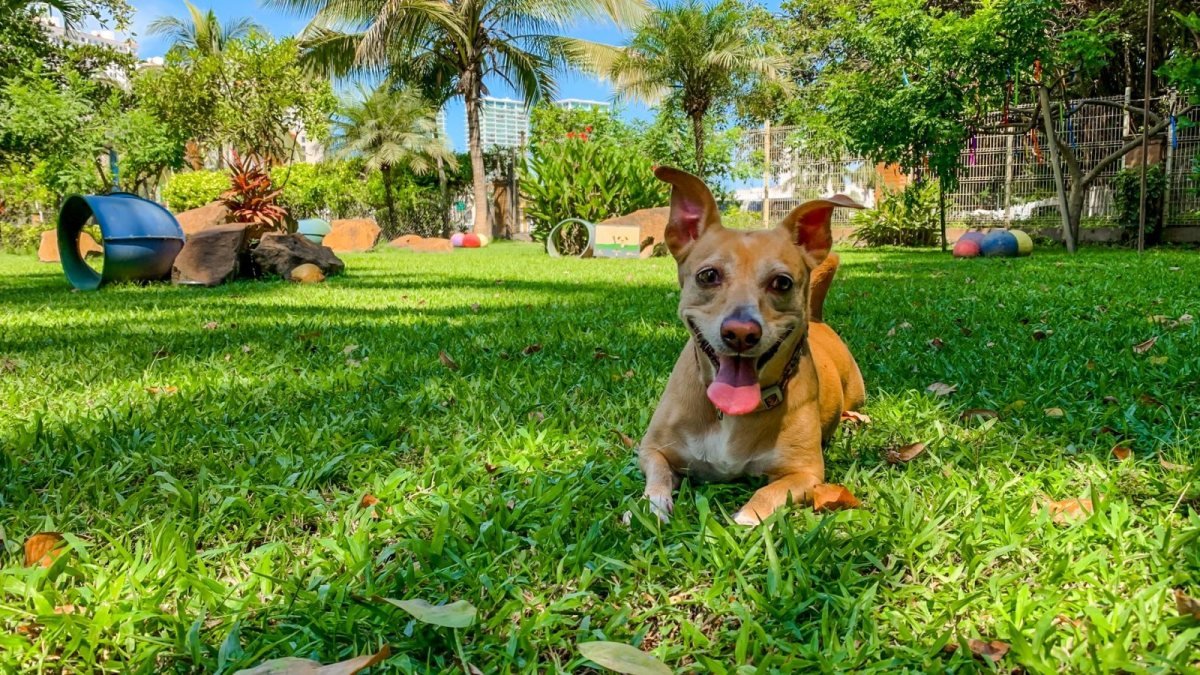
Pretty much anyone who is comfortable in the water. We teach kids from 6 years old (ages 6+ — and if the family dog is coming too, read our guide to a surf trip to Puerto Vallarta with your dog), teenagers, couples, retirees, people who have never been in the ocean and people who learned years ago and want to start again. You need to be able to swim; you do not need to be fit, young or brave. If you have a medical condition, an injury or you are pregnant, tell us when you book and we will tell you honestly whether surfing is a good idea right now.
When is the best time of year for a first lesson?
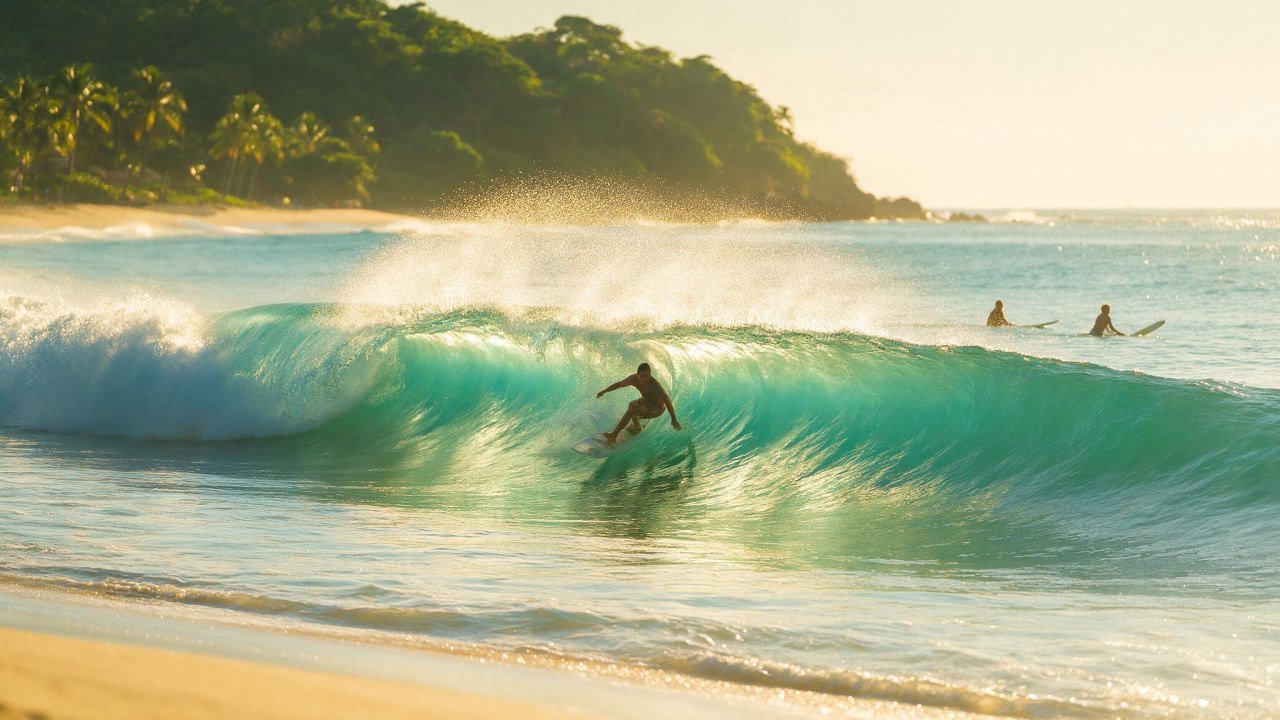
You can learn all year here, but from roughly November to April the swells are smaller and more consistent, the mornings are clean and the beginner beaches are at their friendliest. Summer brings bigger, more powerful waves, which is great for intermediates and still fine for beginners on the right beach and the right day. Our month-by-month guide to when to surf in Puerto Vallarta has the details. And between December and March, whale season adds a bonus: humpbacks breaching on the horizon while you wait for your next wave.
After your first lesson: what comes next
Most people book a second session within a couple of days, because the second lesson is where things click: you remember the pop-up, your body knows what to do and you start catching more waves on your own. If you are here for a week, the multi-day package (two days for $2,960 MXN, extra days $1,580 MXN) is the best value. Once you are standing reliably in whitewater, we start moving you to slightly bigger beaches and, eventually, to unbroken waves — the same way every surfer in Banderas Bay learned.
And if you want to plan the rest of the trip around surfing, our guides on where to stay as a surfer, the surf spots of Puerto Vallarta and Riviera Nayarit and the private boat tours for your non-surf days will help.
Frequently asked questions
Will I stand up on my first surf lesson?
Most people do. On a big soft-top board in small whitewater, with a coach pushing you into the waves, the large majority of our beginners stand up at least once in their first session.
Do I need to be fit or a strong swimmer?
You need to be comfortable in the water and able to swim, but you do not need to be an athlete. Beginner lessons happen in waist-deep water and the coach stays next to you the whole time.
How long is a first surf lesson?
Standard lessons are 2.5 hours plus travel time. Premium surf days at La Lancha or Sayulita are 5 hours with transport from Puerto Vallarta included.
What should I bring?
A swimsuit, sunscreen and a towel. The board, rash guard, leash, wax and water are included.
How much does a beginner lesson cost?
Join Group lessons are $90 USD per person, Private Group lessons $100 USD per person and a personalized 1-on-1 is $110 USD. Group lessons need a minimum of 2 persons.
Where is the best place for a first lesson near Puerto Vallarta?
Nuevo Vallarta, our home break, is the easiest. Sayulita's learning area and the inside of La Lancha are also great beginner options — the coach chooses on the day according to the swell.