"When should I come?" is the question I get most, and the honest answer is another question: what do you want out of the trip? This coast does not have one good season and one bad one. It has two completely different swell windows, a rainy season that scares people off for the wrong reasons, and a set of holiday weeks that change the surf experience more than the surf does.
What follows is the year as I actually see it, from the water, teaching in this bay most days. No forecast-model theory — just what tends to show up each month, what the water feels like, and who each month suits.
First, the geography that explains everything
Banderas Bay is one of the largest bays in Mexico, roughly 100 kilometres across, and it opens to the west. Puerto Vallarta sits deep inside it, in the southeast corner, tucked behind headlands and a long shallow shelf. That geography is wonderful for calm water, sunsets and boat trips — and it is exactly why the city beaches are not a surf destination on their own.
Swell that arrives from the northwest is largely blocked before it reaches the city. Swell from the south wraps in better but loses much of its punch. The waves live on the north coast of the bay and beyond it: Punta de Mita, La Lancha, Burros, Sayulita, San Pancho. Puerto Vallarta is where you sleep, eat and base yourself; the surf is a drive of thirty to seventy-five minutes north. If you want the spot-by-spot version, we wrote it up in the Punta Mita surf spots guide, and the honest answer to whether you can surf the city itself is in Can You Surf in Puerto Vallarta?
The two swell windows
- Northwest swell (roughly November to April). Generated by North Pacific winter storms. It is the window that lights up the exposed north-coast points. Cleaner, more organised, more consistent for that stretch of coast.
- South and southwest swell (roughly May to October). Generated by Southern Hemisphere storms and, later in the season, by tropical systems off the Mexican coast. It brings the most size of the year and wraps deeper into the bay.
- The overlaps. April–May and October–November can serve both, which is why they are quietly some of the best weeks of the year for an intermediate surfer.
The year, month by month
January
🌊 Swell: Northwest season in full effect. The most consistent month for the north-coast points, with occasional bigger pulses.
🌡️ Water: Coolest of the year — around 23–25°C. Still boardshorts weather for most people; a few wear a spring suit at dawn.
👥 Crowds: High. Peak tourist season, and the first two weeks are still holiday traffic.
✅ Verdict: Excellent for intermediates who will drive north. Book lodging early.
February
🌊 Swell: Similar to January and often the cleanest of the winter — long stretches of light offshore mornings.
🌡️ Water: 23–25°C. Air is dry and mild; this is the month visitors call perfect.
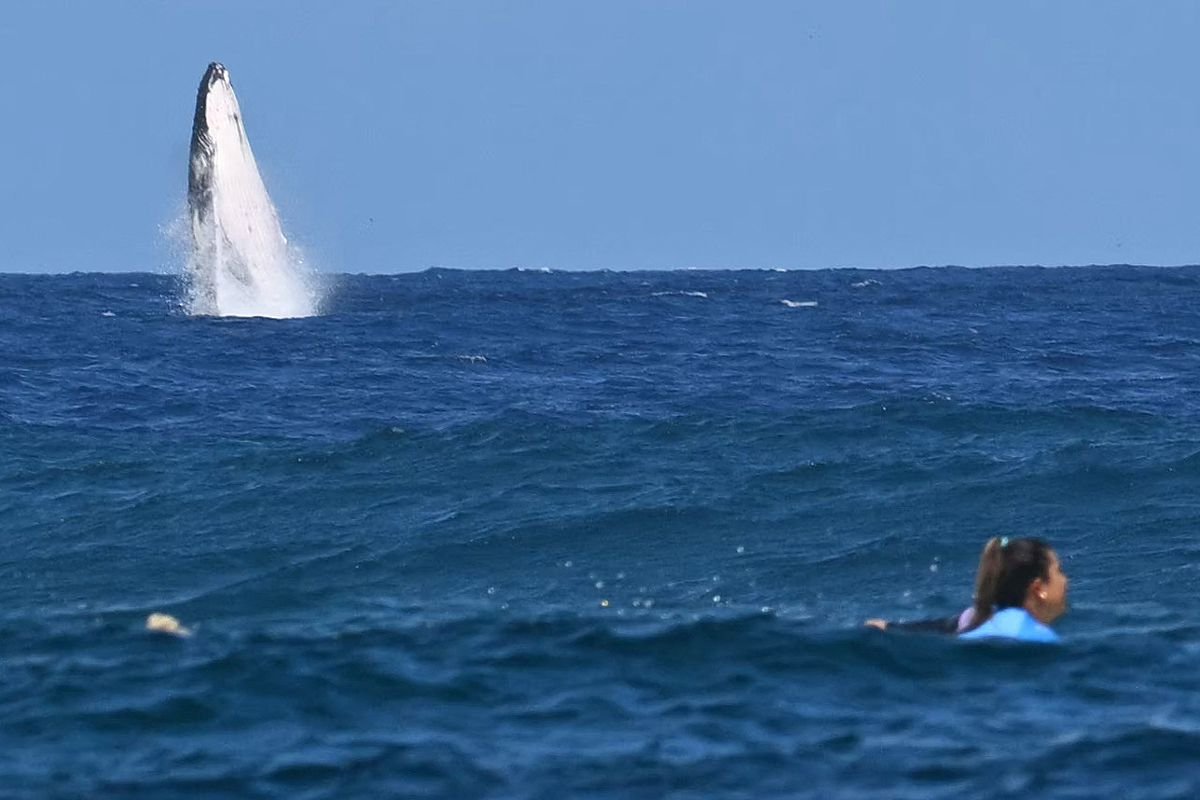
🐋 Bonus: Peak humpback whale season in the bay. Paddling out with whales blowing offshore is a February thing — more on that in our surf and whale watching guide.
✅ Verdict: The best all-round month if you want reliable waves and flawless weather, and do not mind company.
March
🌊 Swell: The tail of the northwest season. Still consistent through most of the month, tapering toward the end.
🌡️ Water: Warming, 24–26°C.
👥 Crowds: Spring break arrives. Beaches busier than the lineups.
✅ Verdict: A strong month, and the last of the reliable winter window.
April
🌊 Swell: Transition. Smaller, gentler, less frequent — and much more forgiving.
🌡️ Water: 25–27°C. Warm, calm and glassy most mornings.
👥 Crowds: Drops off sharply after Semana Santa (Easter week), which is the single busiest week on this coast.
✅ Verdict: One of the two best months to learn. Avoid Easter week itself if you can.
May
🌊 Swell: The first south pulses start showing. Small to moderate, often waist-to-chest high and clean.
🌡️ Water: 27–28°C and climbing. Genuinely bathwater.
👥 Crowds: Low season begins. Empty beaches, cheaper rooms.
✅ Verdict: My personal pick for a first surf trip: warm, small, quiet, affordable.
June
🌊 Swell: South season properly underway. Size increases, and so does the number of good days.
🌡️ Water: 28–29°C. Air becomes humid; the rains usually begin in the second half of the month.
🌧️ Rain: Mostly late-afternoon and overnight storms. Mornings stay clean.
✅ Verdict: Underrated. Good waves, warm water, low prices, dramatic skies.
July
🌊 Swell: Consistent south swell with real size on the better days.
🌡️ Water: 29–30°C.
👥 Crowds: Mexican school holidays fill the beaches — but mostly the swimming beaches, not the surf spots.
✅ Verdict: Strong month for intermediates. Be out of the water before the afternoon builds.
August
🌊 Swell: Peak south season overlapping with tropical activity offshore. The biggest, most powerful days of the year usually sit in this window.
🌡️ Water: 29–31°C. Hottest, most humid month.
⚠️ Caution: Rips are stronger on the bigger swells, and storms can build fast. Watch the forecast, not just the window.
✅ Verdict: For confident surfers. Beginners should stick to protected beaches with an instructor.
September
🌊 Swell: Statistically the biggest month of the year on this coast, and the wettest.
🌡️ Water: 29–30°C.
👥 Crowds: The quietest month in town — many businesses take their annual break.
✅ Verdict: Empty lineups and serious waves, if you accept the rain and the heat. Experienced surfers only on the big days.
October
🌊 Swell: South swell still running, northwest starting to reappear late in the month. Excellent variety.
🌡️ Water: 28–29°C.
🌿 Scenery: The hills are as green as they get all year.
✅ Verdict: Arguably the best value month of the year: good surf, low prices, thin crowds, and the rain winding down.
November
🌊 Swell: The reset. Dry weather arrives, northwest swell starts to fill in, south pulses can still show.
🌡️ Water: 27–28°C.
👥 Crowds: Building but not yet peak.
✅ Verdict: The other great month for beginners, and a fine one for everyone else.
December
🌊 Swell: Northwest season established. Consistent on the north coast.
🌡️ Water: 25–26°C and cooling.
👥 Crowds: Quiet in the first two weeks, then extremely busy from around the 20th through New Year.
✅ Verdict: Early December is a hidden gem. Late December is a holiday, not a surf trip.
Pick your month by what you are
- Complete beginner. April, May or November. Small clean surf, warm water, patient conditions and instructors who are not rushed. This is when technique gets built.
- Improving intermediate. October, or February. Both give you variety in size without the biggest days of the year, and both have plenty of workable mornings in a row.
- Confident surfer chasing size. August and September. Accept the humidity and the rain, and you get the most powerful surf of the year with almost nobody around.
- Family trip where one person surfs. February or November — best weather for everyone else, and reliable enough surf for you.
- Budget trip. September and October. Lowest prices of the year on almost everything.
Water temperature and what to wear
This is the easiest packing decision you will ever make: you almost certainly do not need a wetsuit. The water runs roughly 23°C in the coolest weeks of January and February to 30–31°C in August and September. For context, that is warmer than most people's swimming pools.
What matters far more is sun protection. The tropical sun at 20° north will punish you in a two-hour session:
- Long-sleeve rash guard or lycra. Non-negotiable. More useful than any wetsuit you could bring.
- Reef-safe mineral sunscreen on face, ears and the back of the neck. Zinc if you burn easily.
- A spring suit or 2 mm top only if you get cold easily and are coming in January or February.
- Booties are optional; a couple of the north-coast spots have rocky entries, and some surfers prefer them at low tide.
- Water and electrolytes. In summer the dehydration sneaks up on you before the fatigue does.
The wind rule that matters more than the month
If you take one thing from this guide, take this: surf in the morning. Almost every day of the year, this coast follows the same pattern. Dawn is glassy or lightly offshore. By late morning a sea breeze starts. By early afternoon the surface is textured and the wave quality is gone.
That pattern is more reliable than any seasonal forecast. A mediocre swell at 7 a.m. beats a good swell at 2 p.m. here, nine times out of ten. It is also why every lesson we run starts early — and why the boats leave the marina at dawn, whether they are chasing fish or whales.
Rain, storms and the season nobody should fear
The rainy season runs roughly from late June to mid-October, and it puts people off far more than it should. In practice, rain here is not the grey drizzle of a northern summer. It is concentrated: heavy storms that arrive in the late afternoon or at night, clear by morning, and leave the air washed and the hills green.
What it does mean, practically:
- Plan everything for the morning. Surf, boats, hikes. Afternoons are for food, hammocks and waiting out a storm.
- Watch the water after heavy rain. River mouths push debris and murky water into the ocean for a day or two. Avoid surfing directly at a river mouth right after a big storm.
- Hurricane season is real but rarely direct. Tropical systems usually pass well offshore and mostly send swell rather than damage. Travel insurance is still sensible in August and September.
- Roads change. Dirt access roads to some north-coast spots get rough. This is when four wheels and local knowledge earn their keep.
Crowds: the calendar that actually changes your trip
Waves vary by season; the number of people varies far more, and it is driven by the Mexican and North American holiday calendar rather than the swell:
- Semana Santa (Easter week and the week after). The busiest stretch of the year on the whole coast. Beautiful chaos, terrible for a quiet session.
- 20 December – 6 January. Peak season prices, full restaurants, busy beaches.
- Mid-July to mid-August. Mexican school holidays. Busy in town, less so at the surf spots.
- September. The emptiest month by a distance.
If your dates are flexible and the crowd is what you care about, the sweet spots are the first half of December, all of May, and the whole of October. If your dates are not flexible, go earlier in the day and drive a little farther north — that solves most crowd problems on this coast.
What to do with the flat days — because there will be some
No month here is guaranteed. Even in a good swell window you can get two or three days of nothing, and that is normal. The bay is generous in other ways when it refuses to make waves: the calmest water of the year is also the best water for everything else.
Flat mornings are when the boats shine. The same glassy conditions that ruin a surf forecast make for perfect visibility at Los Arcos and the Marietas, and the offshore fishing grounds are only worth the run when the sea is flat — which is why the marina operators running boat tours and fishing charters in Puerto Vallarta pray for exactly the conditions we complain about. Inland, the jungle and the river valleys are entirely unaffected by the swell forecast; there is a full menu of things to do in Puerto Vallarta that never once checks a buoy reading. We keep a longer list in our flat-day plan.
Frequently asked questions
What is the single best month to surf in Puerto Vallarta?
If you are an experienced surfer chasing waves, September — biggest swell, emptiest lineups, and you accept the rain. If you are learning or bringing family, May or November. February is the best compromise for someone who wants dependable surf and perfect weather at the same time.
Do I need to bring a wetsuit?
No. Water temperature ranges from roughly 23°C to 31°C across the year, so boardshorts and a long-sleeve rash guard cover almost every session. Only bring a spring suit if you feel the cold and you are coming in January or February.
Is there surf all year round?
There is surf potential all year round, but not surf every day. The two swell windows overlap enough that every month produces rideable waves somewhere between Punta de Mita and San Pancho. The variable is not the month — it is whether you are willing to move up the coast to find the wave that day.
How far do I have to travel from Puerto Vallarta to surf?
Budget 30–45 minutes to La Lancha and the Punta de Mita area, and about an hour to Sayulita or San Pancho. Traffic north of the airport is the wildcard, especially in high season. Leaving before 7 a.m. saves both the wind and the traffic.
When are the whales here, and can you surf with them around?
Humpbacks are in the bay from roughly mid-December to late March, peaking in February. You do not surf with them — they are offshore in deeper water — but seeing blows and breaches from the lineup during a winter session is common, and it never gets old.
Should I book lessons in advance?
In high season (December to March) and around Easter, yes — a few days ahead at least. In the low season you can usually book the day before. Either way, tell us your level honestly: it decides which beach we take you to, and on this coast the beach choice is most of the lesson.
Whichever month you pick, start in the right water.
We teach every day of the year and choose the beach that suits the conditions and your level — boards, transport and sun-smart coaching included.
Book a Surf Lesson →