At Los Arcos, the best snorkeling close to Vallarta, a good day gives you eight to ten metres of visibility. That is enough to enjoy it. Then someone at the school goes to Loreto, comes back and tells everyone they could see the bottom at twenty metres. A sea lion swam up to their mask, and they spent the afternoon on a white beach with nobody else there.
This guide covers the snorkeling and beach side of Loreto. Anglers can read our fishing charter in Loreto guide, and our complete guide to private boat charters in Loreto covers everything in one piece. This one is about snorkeling in Loreto and the island beaches, one island at a time.
Why the water is so clear for snorkeling in Loreto
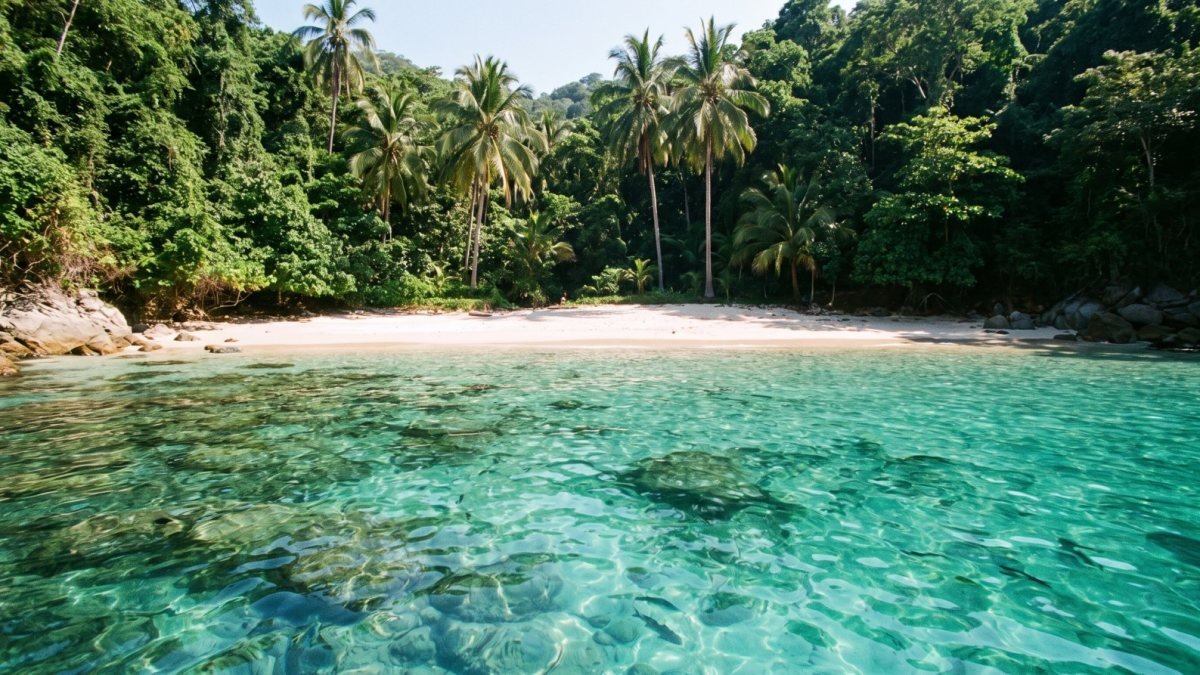
Banderas Bay is a working bay. Rivers bring mountain runoff into it every rainy season, and the plankton that feeds the humpbacks also clouds the water. Loreto is on the opposite side of the country and has none of that. The desert coast has no big rivers, the peninsula shelters the sea from Pacific swell, and the islands rise from deep, clean water. The result is a warm, glassy, very clear sea, which is ideal for snorkeling.
It is also protected. The Parque Nacional Bahía de Loreto covers more than 2,000 km² of sea and five islands: Coronado, Carmen, Danzante, Montserrat and Santa Catalina. It belongs to the UNESCO World Heritage site Islands and Protected Areas of the Gulf of California. Every visitor pays a small daily bracelet fee, and that protection is the reason the fish and the sea lions are still there.
Loreto island tours on a private panga
The operator we recommend is Loreto Star Adventures, which runs one boat with its owner. On a private island tour in Loreto you rent the whole panga by the hour and the captain plans the route around your group. There is no shared tour, no fixed schedule and no crowd at the snorkel stop. The Loreto Star panga takes up to six guests and comes with a bimini, life jackets, a shade tent, chairs and a cooler with ice for the beach.
- Minimum: 5 hours, booked by the hour, with departures between 6:00 am and 6:00 pm.
- Capacity: up to 6 guests plus the captain.
- Snorkel gear: bring your own mask and fins, or ask in advance and they will arrange gear.
- Price: quoted by WhatsApp for the whole boat. No prices are published online.
Isla Coronado snorkeling: sea lions, reef and a white beach
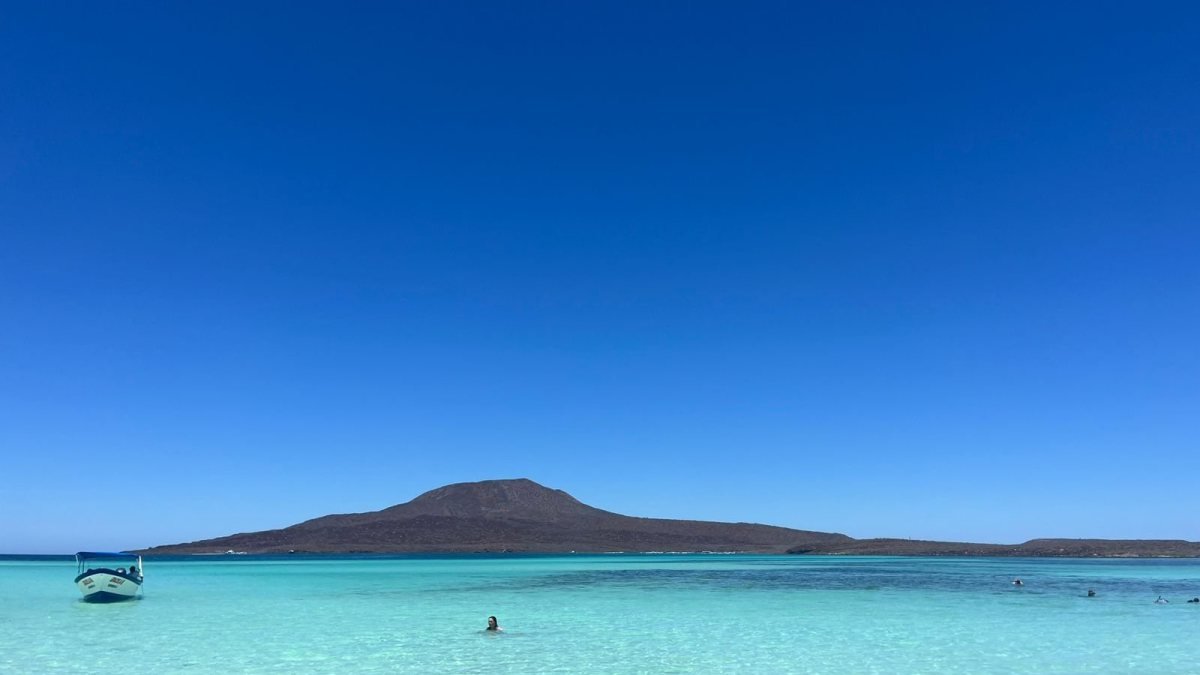
If you only have one day, go to Isla Coronado. It is about 11 km north of town, a 20–25 minute run, and a five-hour trip covers it comfortably. The island is a dormant volcano with a white-sand beach on its sheltered side and the clearest water in the park.
Swimming with the sea lions
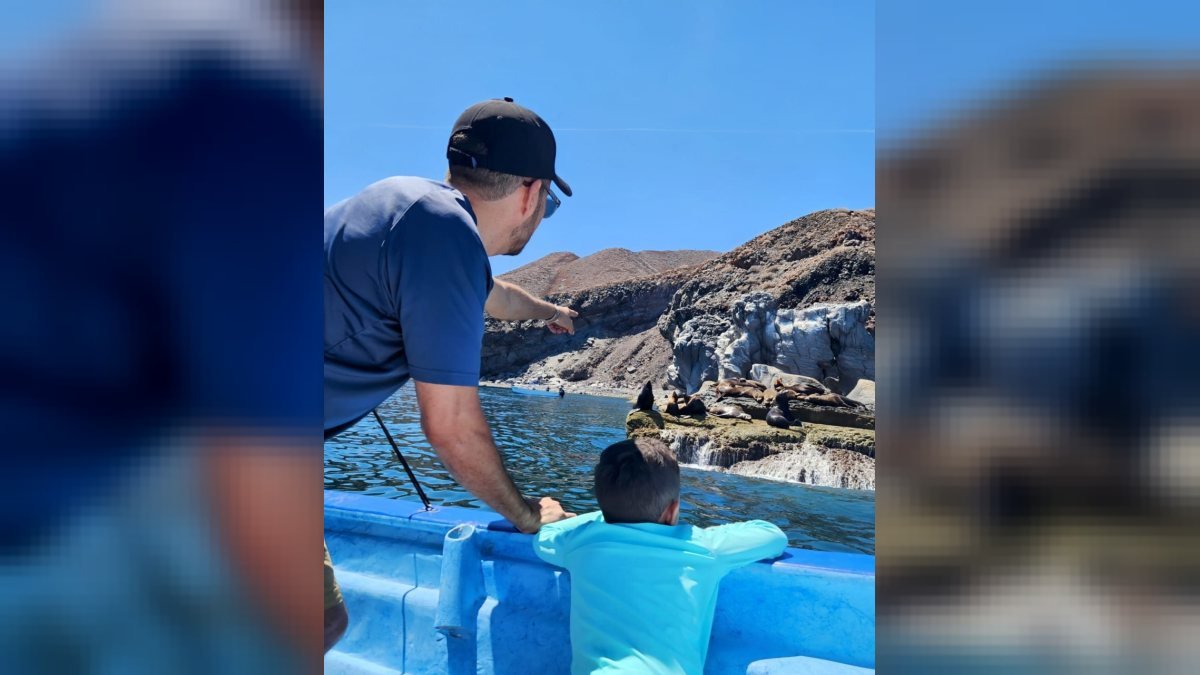
The day usually starts at the sea lion colony. You slide in from the boat and the young sea lions often swim over to investigate, twisting past your mask and blowing bubbles. There is one rule, and every surfer already follows it with wildlife in the line-up: let the animal decide how close it comes. The captain keeps the boat at a respectful distance and you keep your hands to yourself.
The reef along the rocky side
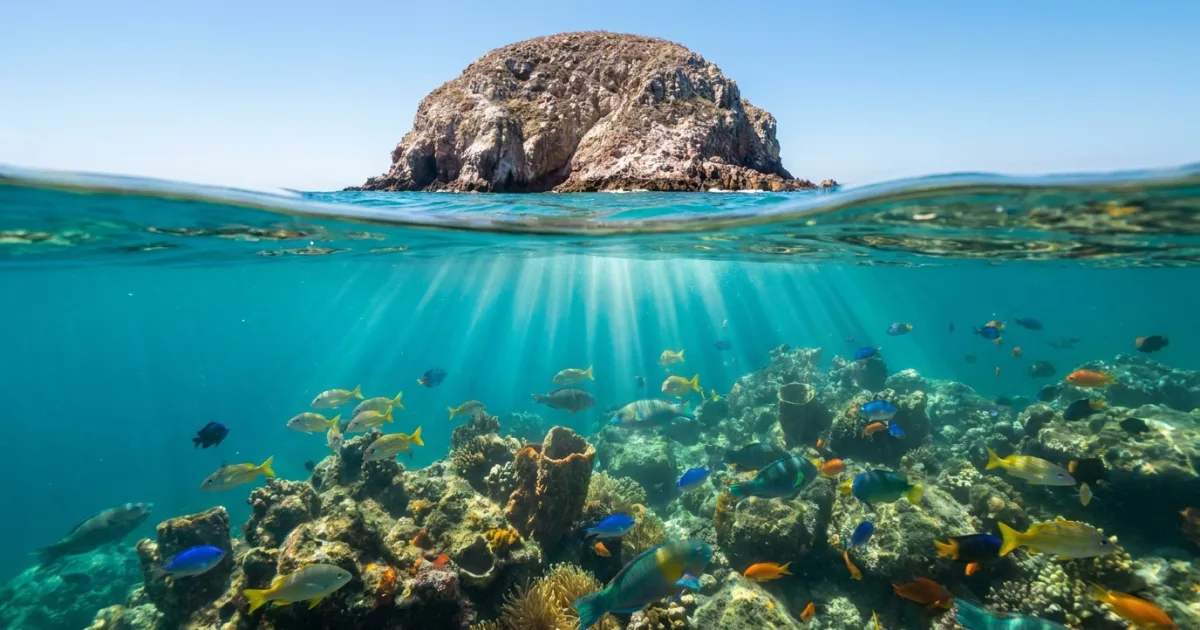
The rocky side of Coronado has a shallow reef with king angelfish, sergeant majors, parrotfish, rays and sometimes a turtle. It is shallow and clear enough that simple gear is fine, and anyone who would rather float can use the life jackets on board. Children who have never snorkelled usually get the hang of it here within ten minutes.
The beach afternoon
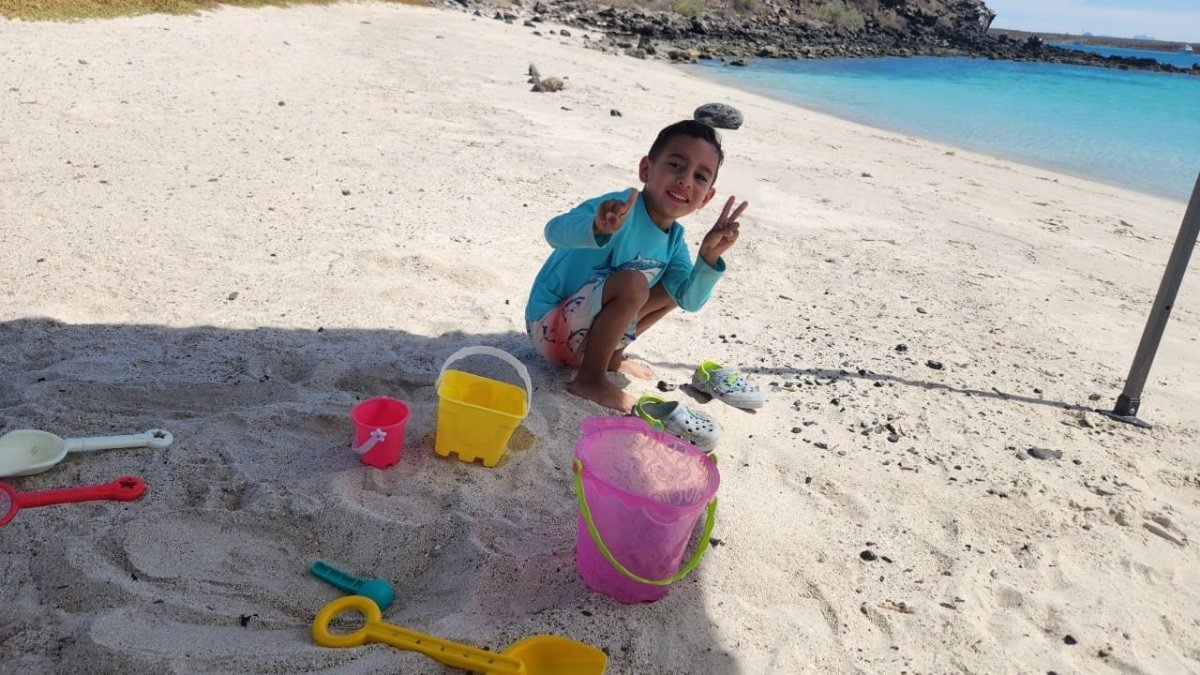
After snorkeling, the crew sets up camp on the white sand. There is a shade tent, chairs and a cold cooler, and the rest of the time goes on swimming, snorkeling off the beach and doing very little. The crew calls this part "doing nothing at all", and it works just as well for a family as for a tired surfer.
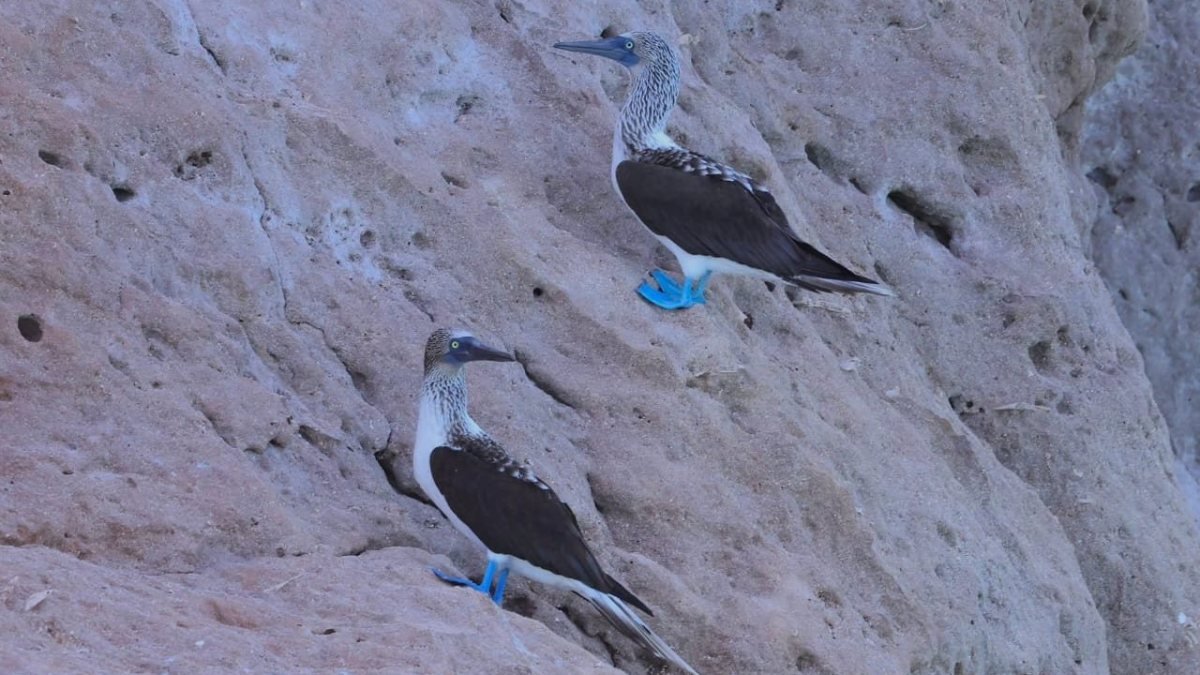
Isla Coronado is also home to blue-footed boobies, which nest on the cliffs. Look up between swims. For a longer description of the island, read the operator's own Isla Coronado guide.
Isla Danzante: sea arches and rock-reef snorkeling
Isla Danzante is about 25 km south of town, a 40–50 minute run, and a trip there takes five to six hours. It is wilder and quieter than Coronado, with Honeymoon Cove, a sea arch and steep cliffs covered in desert scrub. Snorkeling here is over rock reef rather than sand, so you get more texture, more places for fish to hide and more to explore. Surfers who like a rocky point break over a beach break tend to prefer Danzante.
Isla del Carmen: the long, empty beaches
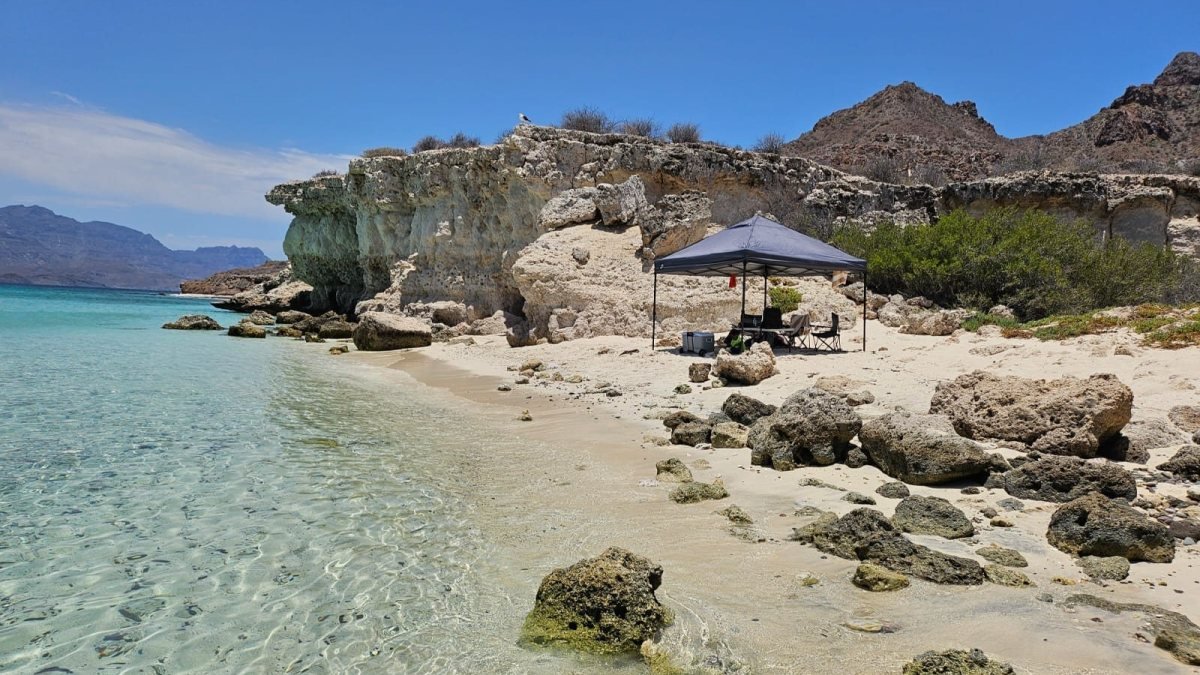
Isla del Carmen is the biggest island in the park, about 15 km east of Loreto and a 45–60 minute run. A trip there takes six to seven hours. Choose it for the beaches: long stretches of sand, the abandoned salt-mining town at Bahía Salinas, and the best chance of having a whole bay to yourselves. It is the island for the day you want to stop checking the time.
How a snorkeling day in Loreto runs
Anyone who has surfed dawn patrol knows this rule: go early. The Sea of Cortez is usually flat in the morning, and flat water gives the best visibility. The boat leaves the marina in the morning. On the crossing the captain watches for dolphins and seabirds, and from January to March for whales. The first stop is usually the sea lions, followed by the reef and then the beach. The boat heads back in the early afternoon, before the wind picks up. It is the same terral-and-sea-breeze cycle we plan our surf sessions around at home.
Which island for which group?
Hourly booking lets you build the day. Add an hour for a second snorkel stop, longer at anchor or a couple of lines in the water on the way. Many groups start with a few hours of sport fishing in Loreto and spend the afternoon on the beach.
A snorkeling day at Isla Coronado, hour by hour
This is how a typical five-hour day to Coronado goes, based on the way the operator describes it:
- Morning — meet at the Loreto marina and put on life jackets. The water in the harbour is usually flat.
- The crossing, 20–25 minutes — the captain watches for dolphins and seabirds, and in winter for a whale blow. The volcanic cone of Coronado gets bigger ahead of you.
- First stop, the sea lions — the boat stops near the colony. Put on your mask and slide in quietly, then wait. The sea lions come to you.
- Second stop, the reef — move along the rocky side to see angelfish, parrotfish and sergeant majors in shallow, clear water. Anyone who prefers to float uses a life jacket.
- Midday, the beach — the crew sets up the shade tent, chairs and cooler on the white sand. Snorkel off the beach, eat, sleep and swim again.
- Early afternoon, the run home — the boat heads back before the wind comes up, and everyone is quiet and salty.
Book an extra hour or two and the captain can add a second reef stop or leave you longer on the sand. That flexibility is the main reason to choose a private boat over a shared tour.
Snorkeling tips from a surf school
We spend our working lives teaching people to feel comfortable in the ocean. A few of those lessons apply directly to snorkeling in Loreto:
- Breathe slowly. Beginners panic when they breathe fast, in snorkeling just as in surfing. Take long, slow breaths through the snorkel and your whole body relaxes.
- Defog your mask. Rinse it in seawater just before you get in. A foggy mask ruins more snorkel sessions than cold water does.
- Stay horizontal. Float flat on the surface, kick gently from the hips and keep your hands still. You scare fewer fish and use less energy.
- Keep your distance from the sea lions. Treat them like a crowded line-up: be friendly, calm and never grab. The adult males guard their territory, so follow the captain's advice on where to swim.
- Watch the wind. When the surface starts to ripple in the afternoon, visibility drops and the ride home gets bumpier. Plan to finish early.
- Wear a rash guard, not just sunscreen. Your back is exposed to the sun for hours while you float face-down.
Winter bonus: blue whales on the way to the islands
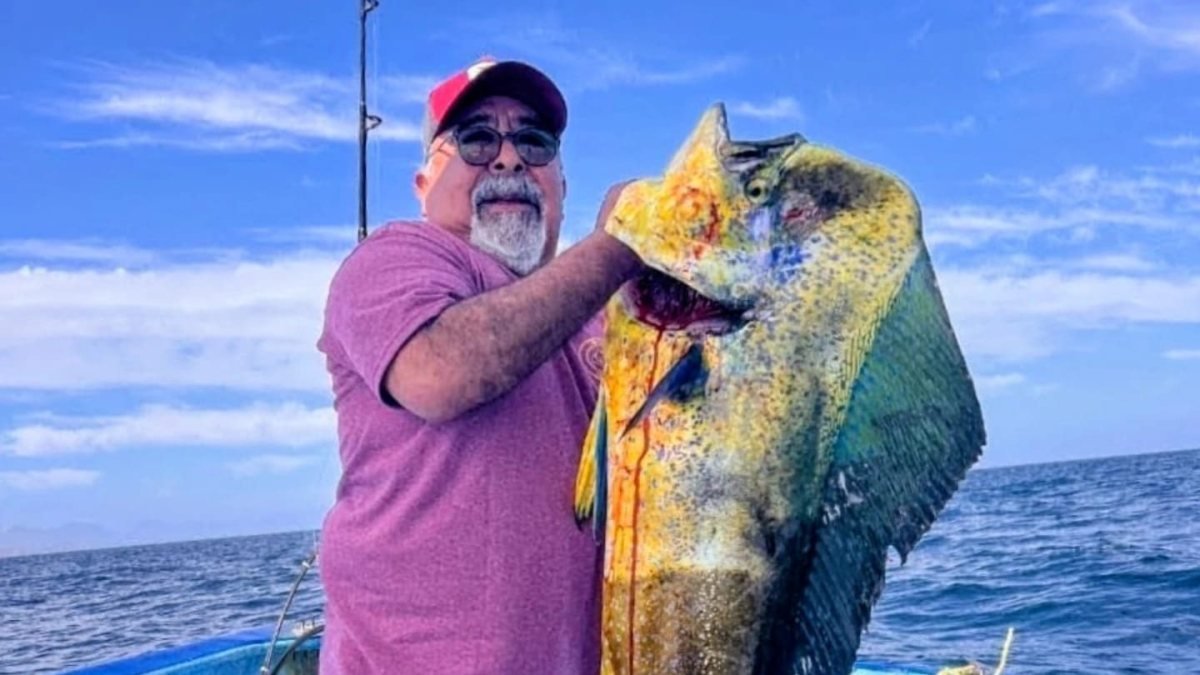
From mid-January to late March blue whales feed in the channel between Loreto and the islands, and February and early March are the most reliable weeks. Fin whales and humpbacks pass through during the same months, and dolphins are around all year. A winter snorkel trip to Coronado often includes a whale on the crossing. If whales are the main goal, book a dedicated sunrise blue whale watching trip in Loreto and add the beach on the way back.
Snorkeling in Loreto vs. snorkeling in Puerto Vallarta
We love our own bay, so here is an honest comparison. Banderas Bay has Los Arcos, the coves of the south shore and Majahuitas, and it is warm, green and full of life, especially in winter and spring. We cover it in our guide to snorkeling and beach charters from Nuevo Vallarta and in our top 10 snorkeling spots in Puerto Vallarta. Loreto has the visibility, the sea lions and the empty islands. If you snorkel seriously, you will eventually want to see both.
What to bring for snorkeling in Loreto
- Your own mask and fins if you have them. A mask that fits well makes a big difference.
- A rash guard or thin wetsuit top. The water is warm, but you will spend hours in the sun.
- Reef-safe sunscreen, a hat and polarised sunglasses.
- A windbreaker for winter mornings on the crossing.
- Food and drinks for the beach. The cooler and ice are on board.
- Cash for the park bracelet and to tip the captain.
- A dry bag for phones and a GoPro, because the water here photographs very well.
Frequently asked questions
Where is the best snorkeling in Loreto?
Isla Coronado, for the clearest water, the sea lion colony and the reef along the rocky side. Isla Danzante is the best choice for rock reef and sea arches.
Can you swim with sea lions in Loreto?
Yes, at the Isla Coronado colony. You swim in from the boat and let the animals decide how close to come.
How long is an Isla Coronado snorkeling trip?
About five hours. Danzante takes five to six and Carmen six to seven.
Is snorkel gear included?
Bring your own if you have it, or ask when you book and the operator will arrange gear. Life jackets are on board.
What is the best time of day?
Morning, when the water is glassy. The boat heads back in the early afternoon before the wind.
Is there a park fee?
Yes, a small daily bracelet fee for Loreto Bay National Marine Park, which the operator collects on the day.
References: Loreto Star Adventures — Loreto tours & private boat charters · The islands of Loreto Bay · Tours in Loreto · Things to do in Loreto. All photographs courtesy of Loreto Star Adventures.